
Wind power delivers clean, affordable electricity while creating jobs, strengthening energy security, and supporting local communities across Europe and beyond.
Wind energy is one of the cleanest sources of electricity available today. Unlike fossil fuels, wind turbines generate power with zero carbon emissions and zero air pollutants during operation. A single modern turbine can displace thousands of tonnes of CO2 every year, directly contributing to the fight against climate change.
Wind farms also have a remarkably small physical footprint relative to their energy output. The land between turbines remains available for agriculture and grazing, meaning wind energy coexists with existing land use. Additionally, wind power requires virtually no water to operate - unlike coal, gas, and nuclear power stations that consume vast quantities for cooling.
The wind energy sector supports hundreds of thousands of jobs across manufacturing, installation, maintenance, and project development. These roles span urban factories and rural communities alike, driving investment into regions that need it most.
As technology advances and economies of scale grow, the cost of wind-generated electricity has fallen dramatically. Onshore wind is now among the cheapest sources of new electricity generation in many markets, delivering lower energy bills for households and businesses while reducing exposure to volatile fossil fuel prices.
Every kilowatt-hour produced by a domestic wind turbine is a kilowatt-hour that does not need to be imported as oil, gas, or coal. By investing in wind power, nations reduce their dependence on foreign fuel supplies and insulate their economies from global price shocks and geopolitical instability.
Wind is an inexhaustible, freely available resource. Unlike finite fossil fuels, it cannot be embargoed, sanctioned, or depleted. A diversified energy mix that includes a strong wind component is a more resilient energy system.
Modern wind development increasingly embraces community ownership and shared benefit models. Local cooperatives, community funds, and direct equity stakes give residents a genuine share in the energy generated on their doorstep.
Beyond ownership, wind farms generate significant local revenue through land lease payments, business rates, and community benefit funds that support schools, roads, healthcare facilities, and environmental projects in host areas.
Wind turbine technology has advanced at an extraordinary pace. Today's turbines are significantly more efficient than those installed even a decade ago - they capture more energy from lighter winds, operate more reliably, and have longer operational lifespans of 25 to 30 years or more.
Ongoing innovation in blade design, materials science, grid integration, and offshore floating platforms continues to push costs down while expanding the range of sites where wind energy is viable. The result is a technology that delivers more power at lower cost with each passing year.
Wind turbines convert kinetic energy from the wind into electricity without burning fuel, producing no greenhouse gases or harmful pollutants during operation.
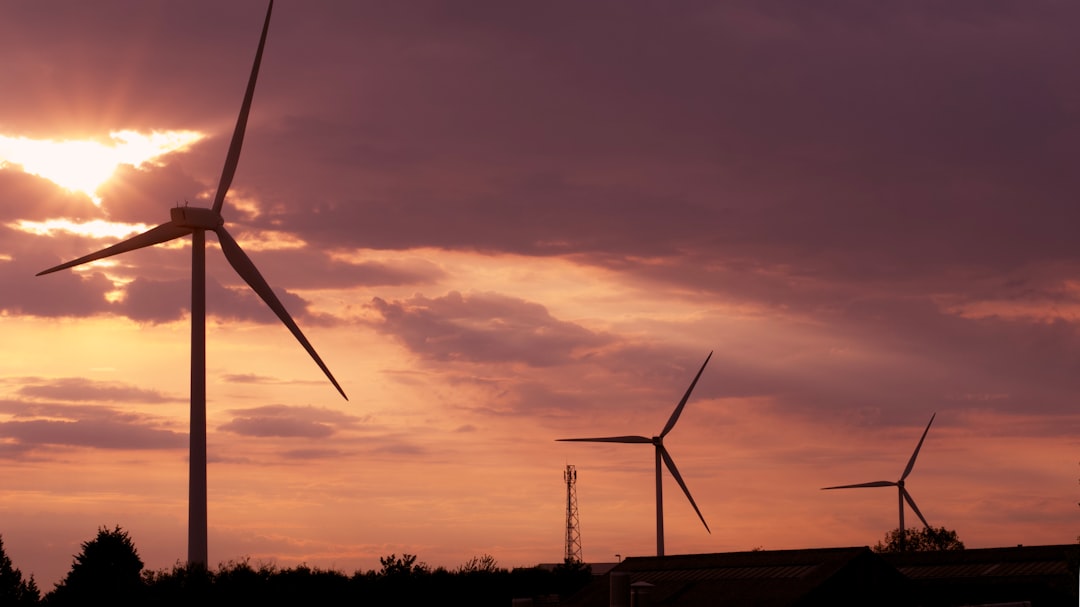
Wind energy is an economic engine - creating skilled jobs, attracting private investment, and delivering electricity at costs that compete with or beat fossil fuels.
Wind is a home-grown energy source that reduces reliance on imported fossil fuels and shields consumers from global price volatility.
Dive deeper into the facts, myths, and community models that shape the wind energy conversation.
Separate fact from fiction with clear, evidence-based answers to the most common objections raised against wind energy projects.
Read moreThe essential numbers on wind energy - capacity, generation, jobs, costs, and growth projections across Europe and the world.
View factsExplore how community ownership models give local people a direct stake in wind energy projects and the revenue they generate.
Learn more